
Why I Show Up to City Council Meetings as an Engineer, Not Just a Resident
Most people who show up to a city council meeting are there for something that directly affects their neighborhood. I tend to notice the four-minute agenda item almost nobody else in the room fully understands.
A line item approving remote access upgrades at the water plant. A vendor change for the SCADA system that runs it. A communications upgrade between a well site and the treatment plant.
Those items can move fast. They are scheduled between a parking ordinance and a parks budget update, and sometimes they pass without a single technical question. That is the part that gets me in the car.
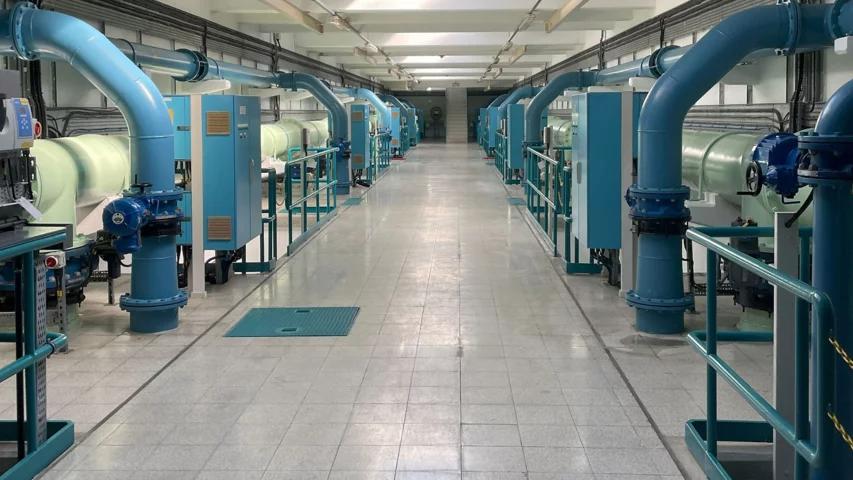
Water treatment plants depend on coordinated pumps, controls, communications, and secure support practices. Image: Rockwell Automation.
The Four Minutes Nobody Understands
When remote access comes up, the useful questions are practical. They are the same questions a control systems engineer should ask before signing off on a project.
Council members weigh budgets, policy, priorities, and community needs. They are not expected to evaluate industrial network architecture. Plant personnel may be operating an entire utility with limited staffing. The vendor is there to propose and deliver a system. Independent technical scrutiny still matters.
Identity and access
Does remote access require multi-factor authentication? Who has access, and how is that access removed when a person or vendor no longer needs it?
Network path
Where does the connection terminate? Does it land on a controlled jump host, or create a path toward the network communicating with PLCs?
Lifecycle support
Will the vendor still support the HMI or SCADA software five years from now, or is the municipality buying a difficult migration for 2031?
These are not exotic questions. Yet in a council chamber, nobody may have the specific job of asking them. Sometimes the questions simply do not get asked. They cost nothing to ask in the room, and they can cost a great deal to skip.
What Skipping Them Can Cost
In July 2026, Minnesota officials reported malicious cyber activity targeting technology at more than 30 community water systems. Most confirmed cases involved technology used to remotely monitor or control equipment.
That is why the architecture behind remote access matters. The answer is rarely as simple as buying a better firewall after something happens. The better starting point is months or years earlier, when someone asks how access is designed, who will maintain it, what protections are in place, and what happens when a component fails.
By the time an infrastructure system appears in an incident report, the decision that mattered may have been made long before. Sometimes it was part of a five-minute agenda item that nobody thought needed another question.
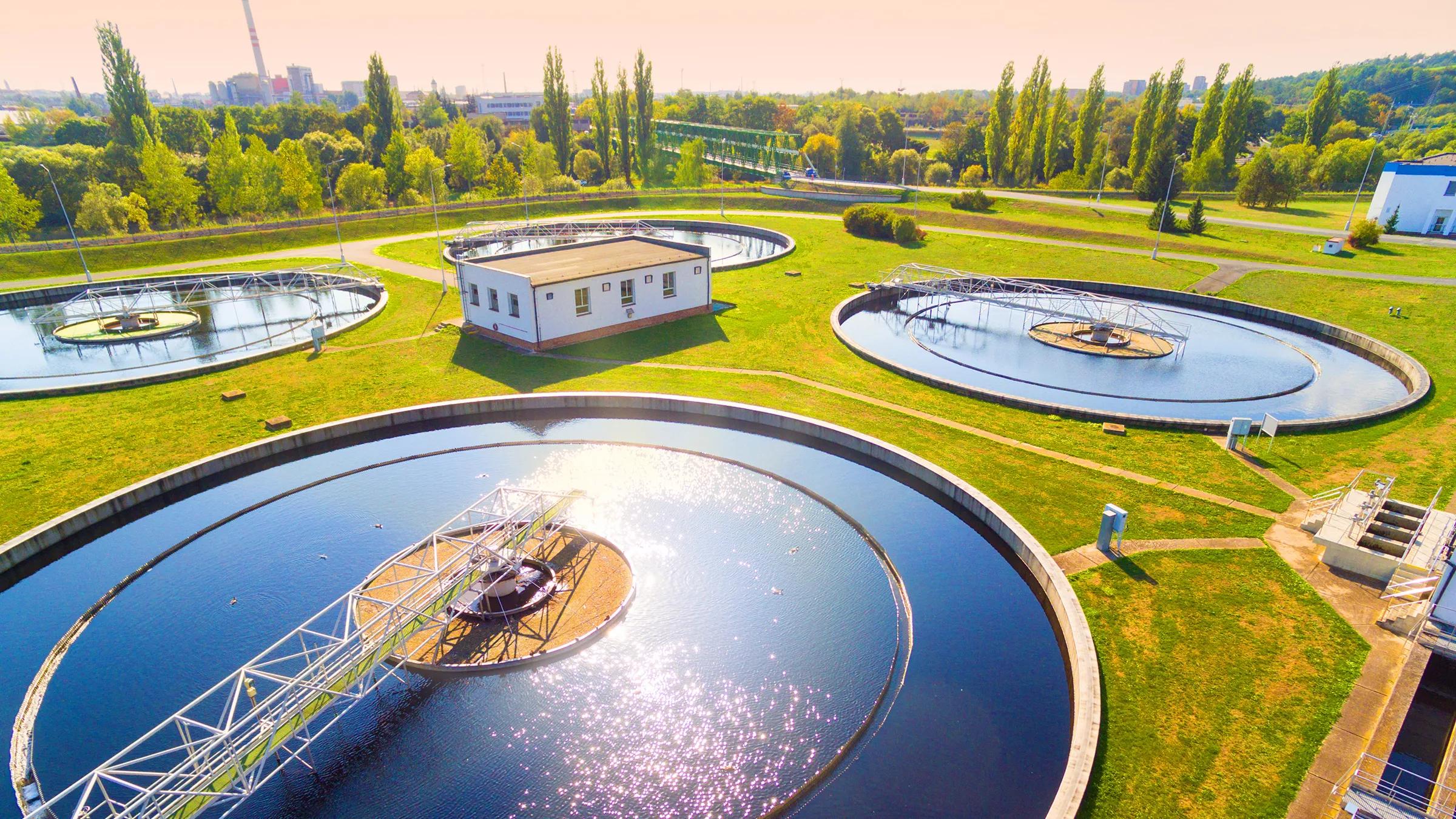
Automated pumping and treatment equipment depends on reliable controls, communications, and support practices. Image: Rockwell Automation.
This Is Not About Slowing Anything Down
I am not at these meetings to embarrass anyone or throw sand in the gears of a project that has already been properly vetted.
Most of the time, the answer to my question is perfectly reasonable, and the meeting moves on exactly as it would have anyway. I am there because I understand what is actually being decided.
Evaluating remote access architecture is not something most residents are expected to do. It is what I do professionally.
What Technical Residents Can Contribute
Listen for operational technology
Notice agenda items involving SCADA, HMI, PLCs, telemetry, cellular communications, remote support, or vendor access.
Ask one clear question
Focus on an important control such as MFA, segmentation, access removal, logging, fallback operation, or long-term support.
Respect the room
The goal is to improve a decision, not perform a technical cross-examination. A concise question can reveal whether the issue has already been addressed.
If you are an engineer, IT professional, operator, or someone who has spent time around OT systems, sit in on a city council or utility board meeting sometime, even if you only watch.
You may be surprised how many real infrastructure decisions are made in a matter of minutes by people who may never personally see the equipment they are approving money for.
Showing up does not fix everything. But it can mean that at least one person in the room asks the question before it becomes an incident report.
Further reading: Minnesota IT Services update on community water system cyber activity and CISA and EPA guidance on internet-exposed HMIs.