
Motor control selection
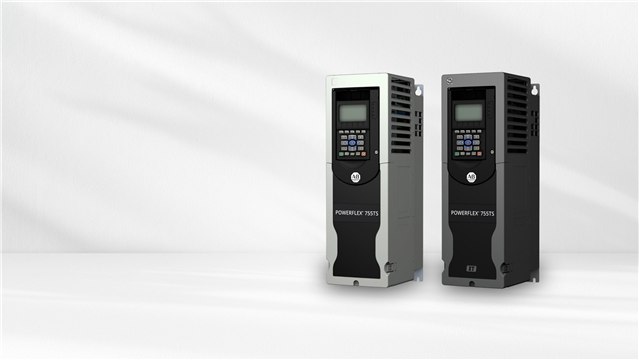
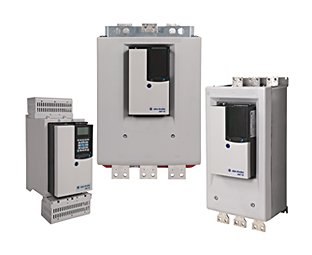
VFD vs. Soft Starter: Why a VFD Can Be the Better Choice, Even at Full Speed
When planning a new pump installation or upgrading an existing motor control system, a common question is whether a variable frequency drive is worthwhile when the motor is expected to run at full speed. The answer depends on more than the start sequence.
The common question
Soft starters and variable frequency drives are often compared because both can reduce the electrical and mechanical shock associated with starting a motor. For a simple application that only needs controlled acceleration and then runs directly across the line, a soft starter may be a suitable and economical option.
A VFD, however, does not stop adding value once the motor reaches 60 Hz. Even in constant-speed operation, the drive continues to manage the motor, monitor operating conditions, and provide information that can support troubleshooting and long-term system planning.
Mechanical stress still matters
Smooth acceleration and deceleration can reduce stress on pumps, bearings, couplings, belts, gearboxes, and piping systems. Even when the normal operating point is full speed, a controlled ramp can help reduce shock loads during starting and stopping.
Control system integration
Modern facilities increasingly depend on PLCs, HMIs, SCADA systems, and remote monitoring. A VFD can provide more than a run status bit. Depending on the drive and network options, operators may be able to monitor speed, current, power consumption, drive temperature, fault history, and operating status.
That information helps maintenance and operations teams see how the equipment is performing, not just whether it is running.
Practical selection checks
Which one is right?
There is no universal answer. If the application is simple, has minimal monitoring requirements, and is unlikely to require speed control, a soft starter may be the most economical choice.
When long-term flexibility, diagnostics, equipment protection, and integration with modern automation systems are priorities, a VFD often delivers greater operational value, even if the motor spends most of its life at full speed.
How can BEA help?
BEA can help evaluate the application, motor, pump curve, control requirements, available power, enclosure needs, communication options, and maintenance expectations before a starter or drive is selected. The best choice should account for today's operating requirement and the changes the system may need to support later.
For additional manufacturer context, see Rockwell Automation's overview of PowerFlex low-voltage AC drives and SMC-50 soft starters.