
BEA Blog
Why proper grounding is the foundation of a reliable control system
When an operator sees intermittent communication faults, unexplained PLC issues, inaccurate instrumentation, or nuisance VFD trips, it is natural to start with the device that appears to be misbehaving. In many facilities, the better first question is more basic: does the grounding system still provide a stable reference for the controls equipment?
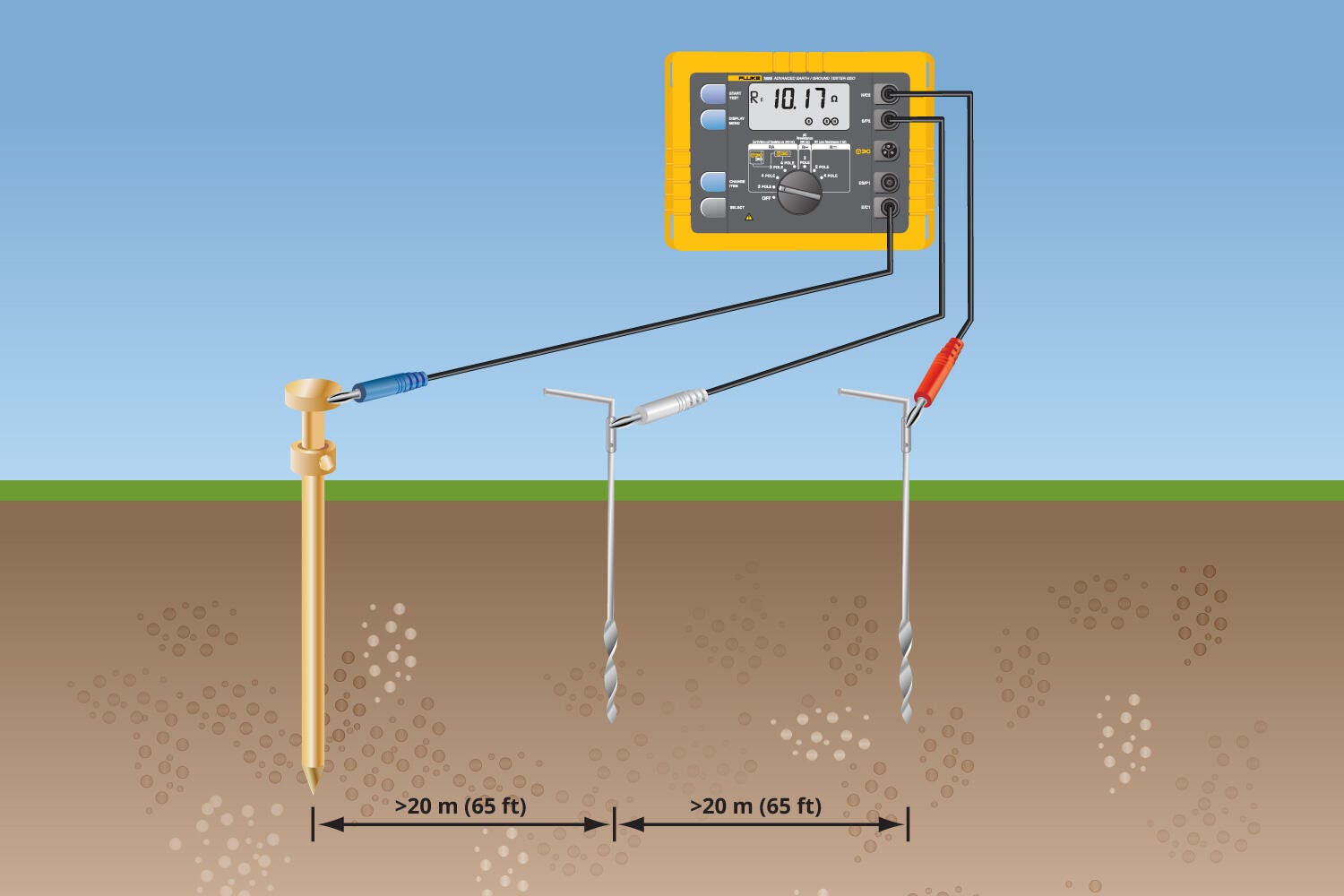
Grounding does more than provide safety
Most people think of grounding strictly as a safety requirement, and that remains essential. For automation systems, grounding also gives sensitive electronics a stable electrical reference. PLCs, HMIs, VFDs, flow meters, level instruments, and industrial networks all rely on clean signals. When the grounding system is weak, noisy, corroded, or poorly bonded, those signals can become difficult to trust.
Common symptoms of grounding problems
Poor grounding can look like several different failures at once: intermittent PLC faults, random communication losses, erratic level readings, unstable flow measurements, drifting analog signals, nuisance VFD trips, Ethernet errors, or equipment resets after nearby lightning events. The frustrating part is that these symptoms are often sporadic, so replacing one component at a time may not solve the real problem.
Modern equipment is more sensitive
High-speed processors, Ethernet/IP networks, precision instruments, remote monitoring hardware, wireless devices, and VFDs all increase the importance of noise control and reference stability.
Ground resistance matters
Soil conditions, corrosion, damaged conductors, and aging ground rods can raise resistance over time. Routine testing helps catch changes before they become operational problems.
Good grounding is a system
Bonding, conductor sizing, low-resistance connections, surge protection, shield termination, and manufacturer-recommended installation practices all work together.
Do not chase symptoms without checking the foundation
When automation faults repeat, replacing sensors, PLC modules, drives, or network hardware may only hide the issue temporarily. If the underlying grounding problem remains, the same behavior can return later. Reviewing grounding health can reduce unnecessary part replacement, shorten troubleshooting time, and improve long-term system reliability.
A strong foundation for reliable automation
Reliable automation starts before the PLC program is written and before the first motor is started. A properly designed and maintained grounding system supports stable signals, safer installations, and longer equipment life. Whether a team is commissioning a new facility or maintaining an existing one, grounding deserves the same practical attention as controls programming, panel design, network layout, and instrumentation selection.
How can BEA help?
BEA can help review grounding-related symptoms in the context of the full control system, including PLCs, VFDs, instrumentation, networks, surge protection, bonding, panel practices, and field wiring. When the problem is intermittent, a structured review helps separate a failed device from a system condition that is affecting multiple devices.