
Industrial Communications | Long-Term System Design
Why Open Protocols Matter in Industrial Automation
The way devices communicate can shape the cost, flexibility, and useful life of an automation system just as much as the hardware itself.
The overlooked design decision
Hardware choices matter. Communication architecture lasts longer.
When designing an industrial automation system, most people focus on PLCs, HMIs, variable frequency drives, instrumentation, and network equipment. Quality hardware is important, but the protocols connecting those devices often determine how easily the system can be maintained, expanded, and modernized.
What is an open protocol?
An open protocol is a publicly documented communication standard supported by multiple manufacturers. Rather than requiring one vendor's proprietary hardware or software, it lets equipment from different suppliers exchange information using a common language.
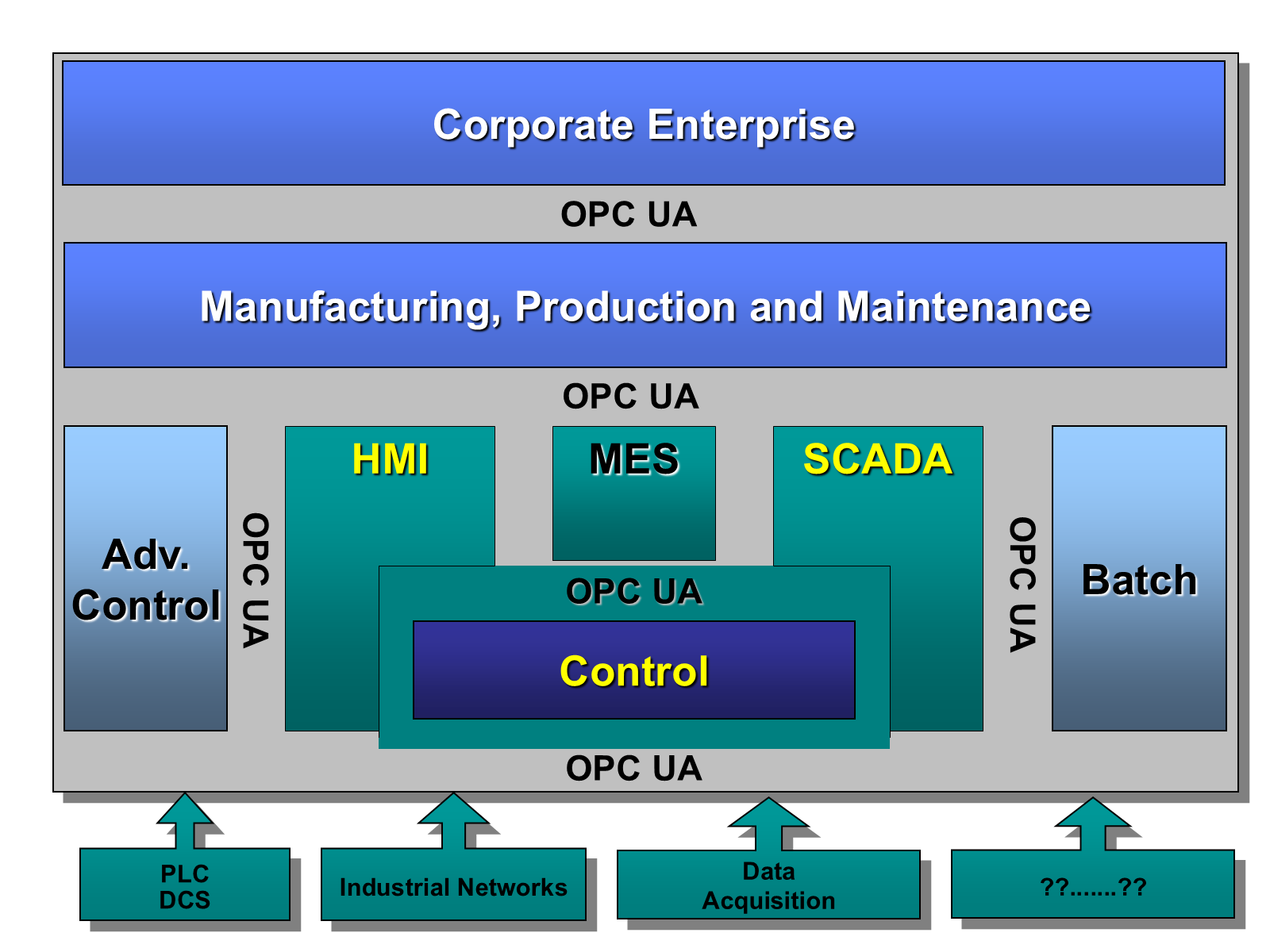
Widely used examples include Modbus RTU, Modbus TCP, EtherNet/IP, OPC UA, MQTT, and DNP3. Each serves different applications, but broad industry support gives facility owners more choices when designing, expanding, or servicing a system.
Choice
Reduce vendor lock-in
Proprietary communications can require specialized hardware, licensed software, or service from a single source. An open architecture gives owners access to multiple qualified suppliers and service providers, allowing decisions to be based on performance, availability, and cost.
Growth
Plan for future expansion
Industrial facilities rarely remain unchanged. Open standards can make it easier to add instrumentation, increase production, expand treatment processes, and upgrade equipment without redesigning the entire communications architecture.
Fit
Select better equipment
Engineers should be able to select a device because it meets the operational requirements, not because it is the only product capable of talking to an existing system. Open protocols broaden the field of proven industrial options.
Easier troubleshooting, less downtime
Standard protocols are familiar to technicians, engineers, and system integrators across the industry. Documentation, diagnostic software, and training resources are more widely available, making communication problems easier to identify and replacement equipment easier to source.
Service teams are less dependent on proprietary diagnostic tools, which can shorten troubleshooting time and help restore operations faster.
Protecting a long-lived investment
Automation systems often remain in service for twenty years or more. During that time, computers, operating systems, servers, networking equipment, and software platforms will continue to evolve.
A system built around open communication standards is better positioned to adapt without complete replacement. Individual components can often be modernized while preserving the overall architecture, extending useful life and reducing future modernization costs.
Building systems that last
Long-term value should not create long-term limitations
Open communication protocols help facilities remain flexible, maintainable, and prepared for future expansion. They reduce dependence on proprietary solutions while giving owners greater control over how their systems are serviced and upgraded.
A well-designed automation system should continue serving the facility for decades. Choosing open standards during design is one of the best ways to help make that possible.